
Backcountry Monashee Ridgeline 7500 Review: I Love It, But Can’t Trust It Yet
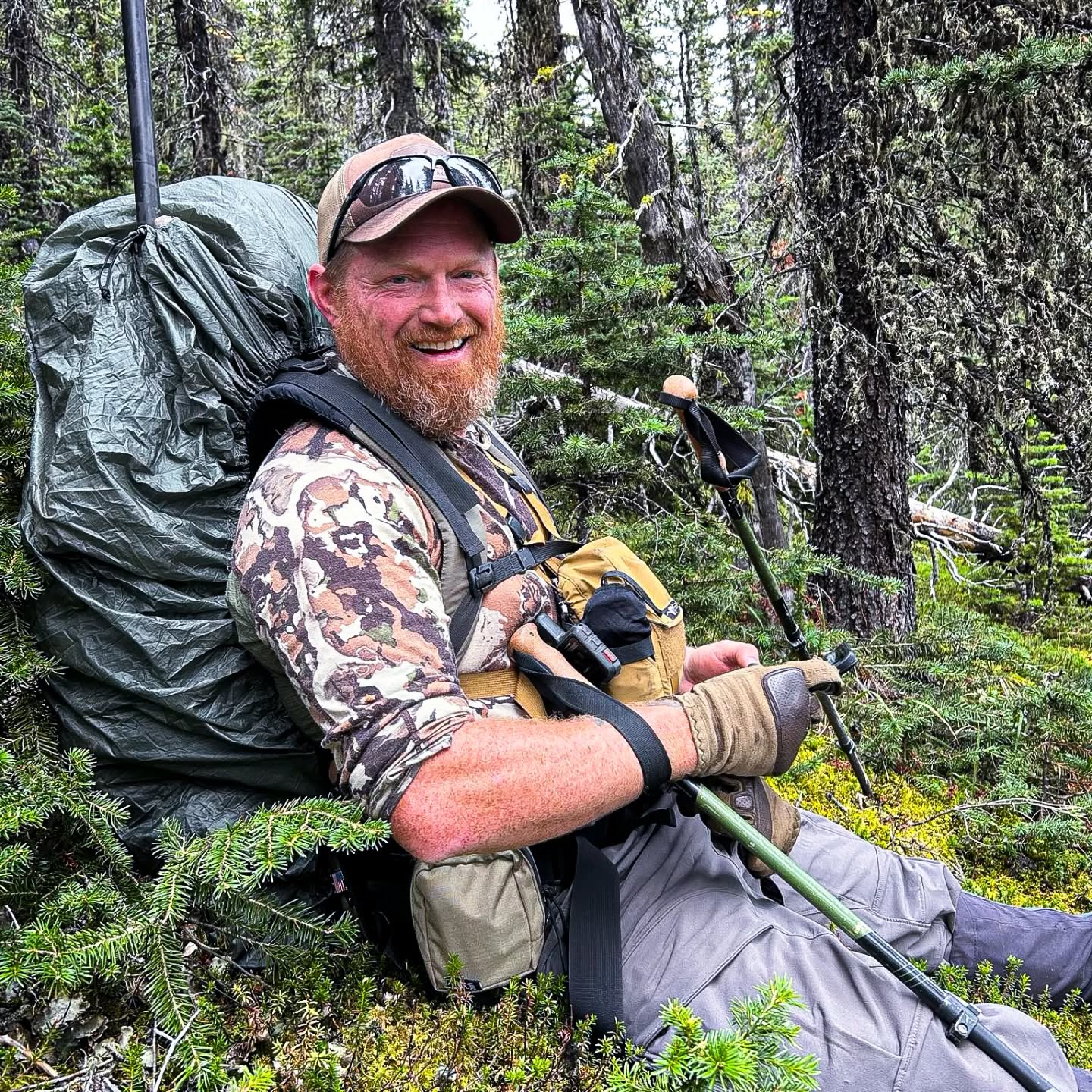
The Backcountry Monashee Ridgeline 7500 may be one of the most thoughtfully designed hunting pack bags I have used. The access is excellent, the storage is versatile and several small details feel like they were designed by someone who actually carries gear in the mountains.
But the early-production pack I received had one serious problem. With roughly 35 to 40 pounds loaded, its aluminum-stay frame was already flexing backward. I could adjust the load lifters and make it feel better, but I was not prepared to trust that frame deep in sheep country.
That leaves me in a strange position. I genuinely love the bag, but I cannot recommend the exact setup I tested as a proven sheep hunting pack.
Important update: The pack shown in this review was an early Ridgeline 7500 unit equipped with aluminum stays. Since filming, Backcountry Monashee has confirmed that production packs are shipping with carbon stays instead. Richard has also shown additional changes addressing several of the points raised here. I have not yet received or tested the revised stays or hip belt, so this article distinguishes between the pack I tested and the changes Backcountry Monashee has announced.
Disclosure: I purchased this Ridgeline 7500 with my own money for approximately $1,150 CAD. This review was not sponsored, and Backcountry Monashee did not pay for or approve my opinions.
View the current Ridgeline Pack Series, options and specifications:
Watch the Full Backcountry Monashee Ridgeline 7500 Review
In the video, I walk through the complete bag, demonstrate the early frame flex and explain the conversation that followed with Backcountry Monashee.
Ridgeline 7500 Review at a Glance
Review point | My experience |
Pack tested | Early-production Backcountry Monashee Ridgeline 7500 |
Purchase price | Approximately $1,150 CAD (taxes/shipping) |
Frame in my pack | Aluminum stays with a formed frame component |
Load shown in the review | Approximately 35 to 40 pounds |
Main strength | Exceptionally versatile and accessible bag design |
Main concern | Backward frame flex and unproven rigidity under mountain loads |
Current manufacturer update | Production packs confirmed to be shipping with carbon stays |
Current verdict | Excellent potential, but the revised system still needs independent load and field testing |
What I Love About the Ridgeline 7500
The difficult part of this review is that the bag itself gets so much right. It includes many of the features I normally look for, and it combines them in a package that can move between shorter trips and extended backcountry hunts.
Full Front Access That Works When the Pack Is Full
The large front opening is one of my favourite features. Some people call this a horseshoe opening. I tend to think of it as a beavertail-style panel because it opens wide and gives direct access to the main compartment.
That matters when the bag is overstuffed. On a family mountain trip, I filled it with the kids’ sleeping bags and other bulky gear. Instead of fighting a zipper around the middle of the bag, I could pull the opening toward either side and reach what I needed.
The front compression buckles are also offset. That leaves usable space through the centre of the pack for securing a bow, rifle or other long item without placing the buckles directly over top of it. The large zipper pulls are easy to handle, and I discovered during our trip that they glow in the dark.
Those are small details, but small details often determine whether gear is convenient or frustrating after several days outside.
Expandable Spotting Scope Pockets
The expandable side pockets are where my love-hate relationship begins.
When compressed, they keep the pack relatively tidy. Open them up and they create substantial storage for a spotting scope, tripod or other equipment that needs to remain accessible.
For someone buying one premium hunting pack, this system makes considerable sense. The same bag can be compressed for a day near the truck and expanded for a longer expedition. I called it the “one-pack wonder” in the video because it offers that range without requiring a separate day pack and expedition pack.
I already own several packs, so expandable scope pockets are not something I personally need to seek out. That does not make them a poor feature. In fact, I would have valued them much more when I was starting out and could only justify purchasing one serious hunting pack.
The scope pocket took a little practice with my Swarovski 65 STS, but it became simple once I learned the correct angle. The pockets however do not have enough room to also carry my tripod in the same fashion I do with my Stone Glavier pack. This is somehting I would adjust and have already been doing so as carrying a tripod externally also makes more sense as I increasingly shoot from a tripod. Faster access means I am more likely to use that equipment instead of leaving it buried inside the bag and have a less stable shot.
Roll-Top Capacity and Adjustable Lid
I have never been a dedicated roll-top person. Much of my background includes winter and Arctic conditions, where I have generally preferred a drawstring closure.
The Ridgeline 7500 is changing my mind. Its roll top expands much farther than I expected. My family test involved bulky sleeping bags rather than a truly heavy load, but it demonstrated how much volume the bag can swallow. That extra height could become valuable when carrying camp gear or making room for meat on the way out.
The lid can also be raised quickly using its adjustable hardware. I could unclip it, move it higher and make room for the expanded bag without a complicated reconfiguration.
There is an additional rear pocket that I jokingly called the “bonus pocket.” It may work for maps or other flat items, although I am not convinced it is essential. If the goal were to remove every unnecessary gram, this is one feature I might question.
Wide Hip Belt and MOLLE Attachment Panel
The Ridgeline hip belt is wide and provides plenty of surface area. I also appreciate the MOLLE addition.
MOLLE may not be exciting technology, but it works. A pouch, water bottle holder or improvised accessory can be secured without sliding around the belt. I could even move my Stone Glacier water bottle holder onto this belt and expect it to remain in place more securely than it sometimes does on my Stone Glacier setup.
The Ridgeline is also designed around replaceable components. That matters on a remote hunting pack. Everything eventually wears or breaks, so being able to replace a buckle or component without retiring the entire system is a meaningful advantage.
Why I Would Not Take My Early Ridgeline 7500 Sheep Hunting
The pack bag is not what stopped me. The frame did.
My early Ridgeline 7500 arrived with aluminum stays. I already have a history of bending and breaking aluminum stays, so I approached them cautiously. With only about 35 to 40

pounds in the pack, I could see the frame beginning to flex backward while it was standing.
Putting the pack on and tightening the load lifters pulled the load forward, but that did not remove my concern. It shifted force through the same stays I was already worried about bending. On our mountain trip, the pack did not feel right, and my wife noticed that something looked wrong before I explained the issue.
Could I adjust it enough to make it carry? Yes.
Would I trust that early frame days from the truck with a sheep camp, hunting gear and the possibility of a heavy pack-out? No.
That is the line I cannot blur in a review. A pack can have excellent pockets, smart access and Canadian manufacturing behind it, but its load-carrying structure still has to earn confidence.
Sheep country is not where I want to discover that a frame cannot handle the job.
The Hip Belt Still Needs More Testing
The frame was my primary no-go issue, but the hip belt also needs work before I can reach a final verdict.

The belt buckle and webbing on my pack could twist or change position when fastened.
Backcountry Monashee had already arranged to send me a wider replacement webbing section when I filmed the review.
The belt also includes four adjustment points intended to shape the fit around the hips. In my testing, those adjustments did not consistently improve the contour. They sometimes loosened the system instead, allowing the pack to slide downward and transferring more weight to my shoulders.
That does not necessarily mean the entire concept is wrong. A wider and more stable belt component may change how the system behaves. Until I carry the revised belt under load, however, that remains a possibility rather than a proven fix.
Backcountry Monashee’s Response
The company’s response is one of the most important parts of this review.
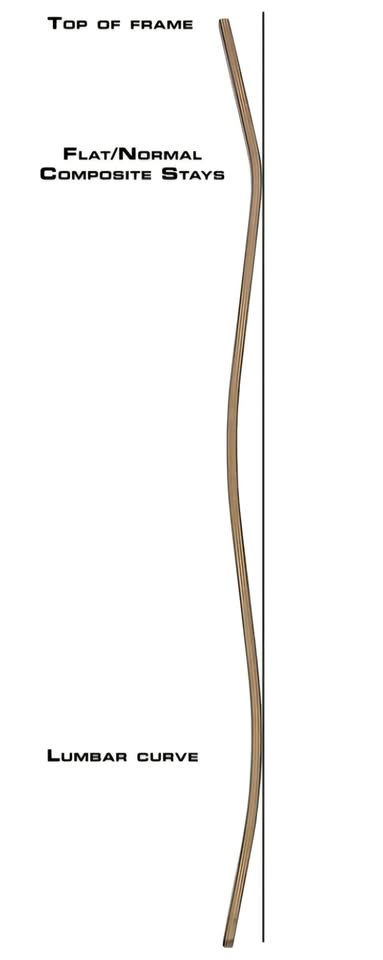
When I showed Richard the frame flex over a video call, he did not dismiss it or try to explain away what I was seeing. He told me the aluminum setup was not his original intention. The
longer-term plan involved a carbon composite frame, but material delays had affected production.
We discussed whether straight carbon stays could provide a practical solution. Shortly afterward, he began sending me photos of a carbon-stay setup being tested. He reported loading it first with 90 pounds and later with 120 pounds while continuing to adjust the hip belt.
Backcountry Monashee has since confirmed that current production packs are shipping with carbon stays rather than the aluminum stays installed in my early unit. Richard also posted a public update showing changes being made to the pack:
That response deserves recognition. Small Canadian manufacturers do not have the purchasing power or development resources of established international pack companies, but they can sometimes respond to customers much more directly.
Still, “addressed” and “proven” are not the same thing.
The carbon stays may completely change the pack. The revised belt may solve the fit issue.
I will not claim either result until those components have carried real weight and mountain miles on my back.
Smaller Criticisms
Not every concern rises to the level of a failed field test.
Unfinished Webbing Ends
I prefer the ends of important adjustment straps to be folded and stitched. That little edge is easier to grab when my hands are wet, cold or tired. Backcountry Monashee told me this detail is being added to packs going forward.
Trekking Pole Storage
The large stretch side pockets can carry trekking poles, but their lighter material makes me cautious about placing sharp pole tips downward. That may simply require changing how I pack rather than redesigning the bag.
Saggy Lid Syndrome
When the lid is lightly loaded, it can sag. This is not unique to the Ridgeline, and I have dealt with the same annoyance on other hunting packs.
I use a lid constantly because it carries my “what if” equipment. Those essentials remain consistent even when the contents of the main bag change, so lid behaviour matters more to me than it may to someone who rarely uses one. Backcountry Monashee has discussed simplifying the attachment and making further adjustments.
None of these smaller criticisms would stop me from using the pack. They are refinement points, not the reason I withheld my trust.
How the Ridgeline 7500 Fits Against Established Hunting Packs
At approximately $1,150 CAD for my setup, the Ridgeline 7500 enters serious hunting-pack territory. Buyers will naturally compare it with established systems from Stone Glacier, KUIU, EXO, Mystery Ranch and other proven manufacturers.
That price is why I held it to a high standard. Supporting Canadian manufacturing matters to me, but “Made In Canada” cannot become an excuse for overlooking performance. A mountain pack still has to carry its load safely and comfortably.
What Backcountry Monashee offers is a thoughtful bag, replaceable components and unusually direct access to the person designing the equipment. The trade-off is that early customers may also participate in the refinement process while the system builds its long-term record.
For comparison, see how my established Stone Glacier frame held up after seven years of use:
Who Is the Ridgeline 7500 For?
Based on the bag design and my experience so far, the Ridgeline 7500 could make sense for someone who:
Wants one pack that can transition from shorter trips to expedition use.
Values full front access and large external spotting scope storage.
Wants Canadian-made hunting gear and direct manufacturer support.
Appreciates replaceable components and a modular attachment system.
Is comfortable following the development of a relatively new pack platform.
Someone who needs a long-established heavy-hauling record today may prefer to wait for more independent testing of the revised frame and belt.
My Current Ridgeline 7500 Verdict
The Ridgeline 7500 is not a bad pack. In several ways, it is frustratingly close to being exactly what I want.
The bag is spacious, accessible and intelligently organized. Its expandable side pockets make it unusually versatile, and many of its small details reflect real backcountry experience.
Backcountry Monashee also responded to my concerns more quickly and openly than many larger manufacturers would.
But my early aluminum-stay frame did not earn my confidence. Until the carbon stays and revised hip belt carry real weight over real terrain, I cannot call the updated Ridgeline sheep ready based on my own experience.
So my verdict remains simple: I love the Ridgeline 7500, but I cannot trust it yet.
The word “yet” matters. This is not the end of the review. It is the baseline for the next one.
Frequently Asked Questions
Is the Backcountry Monashee Ridgeline 7500 made in Canada?
Backcountry Monashee markets its hunting equipment as made in Canada. The ability to communicate directly with the Canadian manufacturer was also a meaningful part of my experience with the pack.
Does the Ridgeline 7500 now come with carbon stays?
Backcountry Monashee confirmed that current production packs are shipping with carbon stays instead of the aluminum stays installed in my early pack. Buyers should check the current product listing or contact Backcountry Monashee to confirm the exact configuration available when ordering.
Did the carbon stays solve the frame-flex problem?
Backcountry Monashee has shown the carbon-stay setup under heavier loads, but I have not independently tested it. I will update this review after the revised components have carried weight and accumulated field miles.
Would I take the early aluminum-stay version sheep hunting?
No. The visible flex and the way it felt under a moderate load prevented me from trusting that setup for a remote sheep hunt.
Was this pack supplied for review?
No. I purchased the Ridgeline 7500 with my own money. This was not a paid or sponsored review.
The Follow-Up Test
Once the carbon stays and updated hip belt arrive, I plan to reload the pack and repeat the process. The next review needs to answer three practical questions:
Does the carbon-stay frame remain stable under a realistic hunting load?
Does the revised hip belt keep weight on my hips without loosening or sliding?
Does the complete system remain comfortable after real distance and uneven mountain terrain?
If those answers are positive, the Ridgeline 7500 could still earn a place in my 2026 sheep hunting system. If not, I will show that too.
Support Independent Gear Testing
Purchasing and testing equipment independently allows me to show both what works and what still needs improvement. If this review helped you, explore more field-tested hunting gear and support future trips through The Baker Adventures:
Would you take the revised carbon-stay Ridgeline directly into sheep country, or would you want to see it tested under load first?

Comments