
Stone Glacier Krux Frame Repair: What Failed After 7 Years
Updated: Aug 16
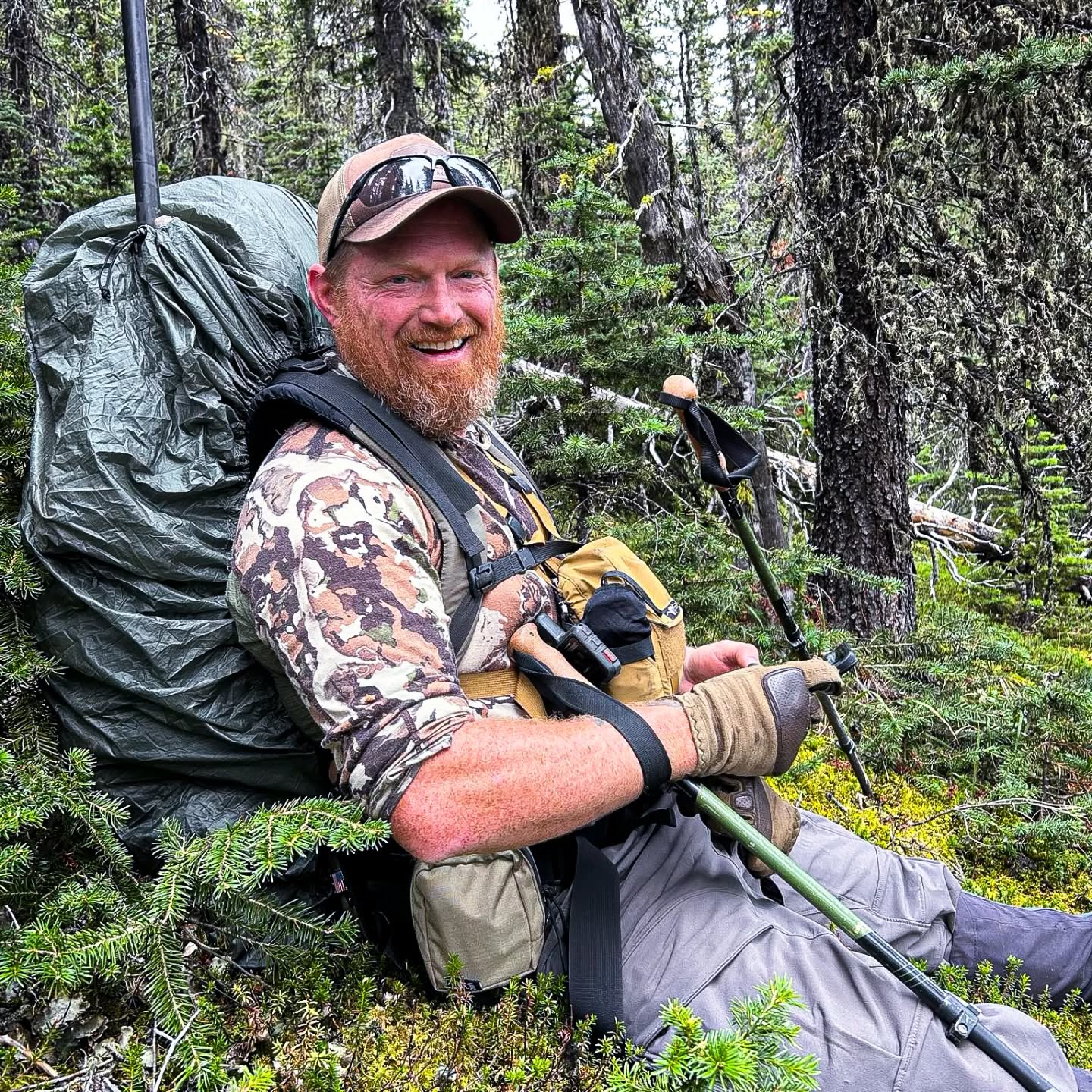
After seven glorious years, I finally broke my Stone Glacier pack.
This was not a failed buckle, torn shoulder strap or blown zipper. One of the carbon stays inside my older Stone Glacier Krux frame had worn through where the stays cross. A second stay was also showing visible wear, and the fabric around the contact point had taken some abuse.
Considering the miles, hunts, heavy loads and family trips this frame has seen, I cannot pretend I am disappointed. This is the first real problem I have experienced with it.
Stone Glacier sent the replacement parts at no cost after I contacted them, so I opened the frame, replaced all four stays and put the old pack back into service.
Watch the complete repair and Krux versus Xcurve comparison:
Disclosure: Stone Glacier supplied the replacement parts at no cost after I contacted the company. The experience and opinions in this article are my own.
What Failed Inside My Stone Glacier Krux Frame?
The Krux frame uses four carbon stays to create its structure. Two run vertically, while two longer stays cross through the middle to form an X.
That crossed design creates a strong, rigid frame, but it also means the two longer stays contact each other in the centre. After years of movement under load, one of my crossed stays eventually wore through at that contact point.
When I opened the frame, I found this:

Is that a design flaw? Sort of, but seven years of use matters. Carbon is strong and light, but no material lasts forever when two loaded components repeatedly rub against each other. I would rather find a serviceable wear point after seven years than have an entire frame become disposable.
Seven Years of Real Backcountry Use
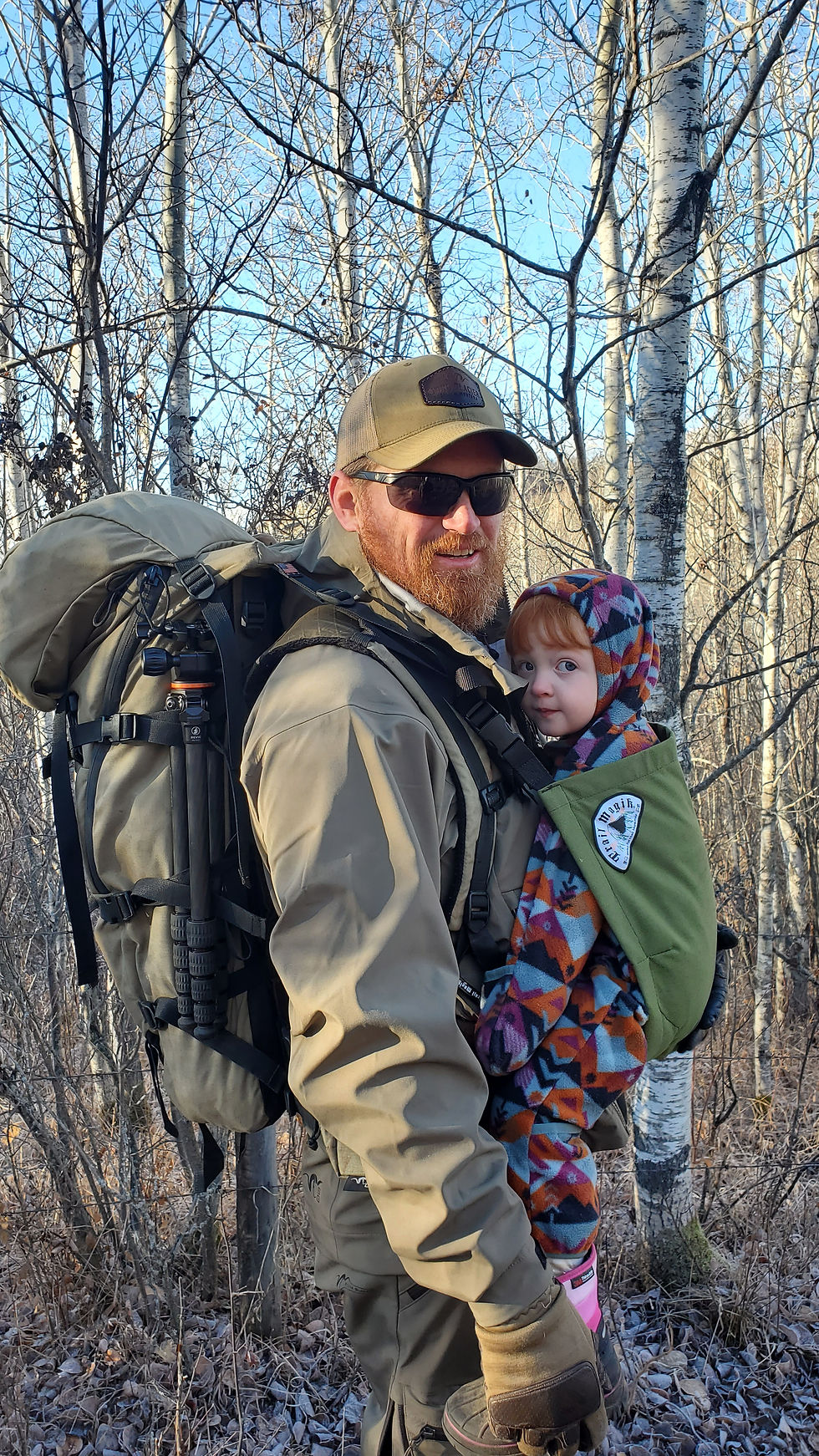
This frame has not spent its life sitting in a gear room. It has carried hunting gear, meat and everything else that comes with spending time away from the truck. It has also stayed useful for shorter hunts and family adventures because I normally keep my older 3300 bag mounted on it.
That 3300 bag is one of the reasons I never moved on from this setup. It carries what I need without ballooning outward, and the entire system remains simple and familiar.
At some point, long-term gear reviews need to move beyond first impressions. A pack that feels good in a store has not proven anything. A pack that can survive years of mountain hunts and still be repaired with a few replacement parts has.
For my broader experience with the system, read my Stone Glacier 6900 Backpack Review.
How I Replaced the Stone Glacier Carbon Stays
The actual Stone Glacier Krux frame repair was simple once I sorted out the different stay lengths.
1. Remove the bottom waist pad
The stay access is behind the Velcro waist pad. Open that panel, then release the two smaller Velcro retainers holding the stays in position.
2. Remove the old stays
Pull each stay out carefully and lay it beside the replacements. This is where taking a minute to organize the parts will save frustration later.
3. Separate the long and short stays
The two longer stays form the X. The two shorter stays run vertically.
I managed to grab the wrong one during the repair, so compare the lengths before feeding anything back into the frame. If I did this again, I would separate or label the pairs before starting.
4. Check the orientation
My replacement stays had a visible stitch mark on one side. That stitched end needed to face upward so the stay would seat correctly.
Replacement parts and frame construction may change, so compare your old and new components and confirm the correct orientation with Stone Glacier if anything looks different.
5. Install the replacements and close the frame
Feed the stays back into their channels, confirm the longer pair creates the X, secure the retainers and close the Velcro pad.
Once I had the lengths and orientation sorted, the actual repair took about a minute. More importantly, the frame no longer sounded crunchy.
Why I Replaced All Four Stays
Only one stay had completely worn through, but another already showed contact wear. The remaining stays were also more than seven years old.
With the frame already open and a full replacement set in front of me, replacing all four made more sense than installing one new stay beside three heavily used ones. It gave the entire structure a fresh starting point.
Stone Glacier Krux vs Xcurve Frame
The Krux and Xcurve are both current Stone Glacier frame options. The main difference is the shape of the carbon stays. Stone Glacier describes the Krux as using straight stays and the Xcurve as using curved stays to suit different back shapes. The company generally positions the Krux for flatter backs and the Xcurve for more pronounced lumbar curves. Pack fit remains personal, so the best frame is the one that fits your back under the loads you actually carry. This is why I originally purchased both frames to see which one fit best. Plus the Krux frame also served double duty as a work day pack when wearing ballistic plates, so a curved frame isn't as needed.
Comparison | Krux | Xcurve |
Stay profile | Straight carbon stays | Curved carbon stays |
Feel on my back | Straighter and simpler | Forms more closely to my back |
How I use it | Older 3300 bag, shorter hunts and general use | Long periods under heavier loads |
For heavier loads carried over longer periods, I prefer the
way the Xcurve forms to my back.

There are times when it almost feels like I am not carrying the weight, which is why it will probably remain my choice for this year's sheep hunt.
The Krux still works, still fits the 3300 bag I like and still has a place in my gear rotation. One frame does not need to lose for the other to be useful.
Stone Glacier provides a useful Krux and Xcurve frame selection guide if you are trying to decide between them.
What Stone Glacier's Support Means for Long-Term Gear
Backcountry hunting equipment is expensive. Part of what we pay for should be the ability to keep good gear working instead of replacing an entire system when one component wears out.
Stone Glacier responded quickly and supplied the parts needed to repair my frame. That does not mean every damage claim will be handled identically, but it is exactly what happened in my case.
Customer support matters most after the marketing promises are over. Being able to replace the worn stays and return a seven-year-old frame to service is a major reason I continue to trust the system.
Should Krux Owners Inspect Their Carbon Stays?
If you have an older Krux frame with a lot of loaded miles, I would inspect the area where the crossed stays contact each other before a remote hunt.
Finding wear at home is an inconvenience.
Finding it several days into sheep country is a different problem.
This article documents my repair rather than replacing Stone Glacier's instructions. If your frame is damaged, contact the company with photos and confirm the correct replacement parts for your specific frame.
Final Verdict: Did My Stone Glacier Pack Fail Me?
Technically, yes. I finally broke it.
Realistically, a carbon stay wearing through after seven years of hard use does not erase what the frame has already done. Stone Glacier supplied the replacement parts, the repair was straightforward and the pack is ready to keep going.
That is not the end of this pack. It is maintenance after a long service life.
If anything, this repair reinforced why I spend money on gear that can be serviced. The best equipment is not always the gear that never wears out. Sometimes it is the gear you can fix and trust again.
Explore More Hunting Pack and Gear Reviews
Support The Baker Adventures
If you enjoy real-world gear reviews, hunting stories and the projects that keep us outside, visit The Baker Adventures shop. Every purchase helps support future trips, equipment testing and the content we share.

Comments