
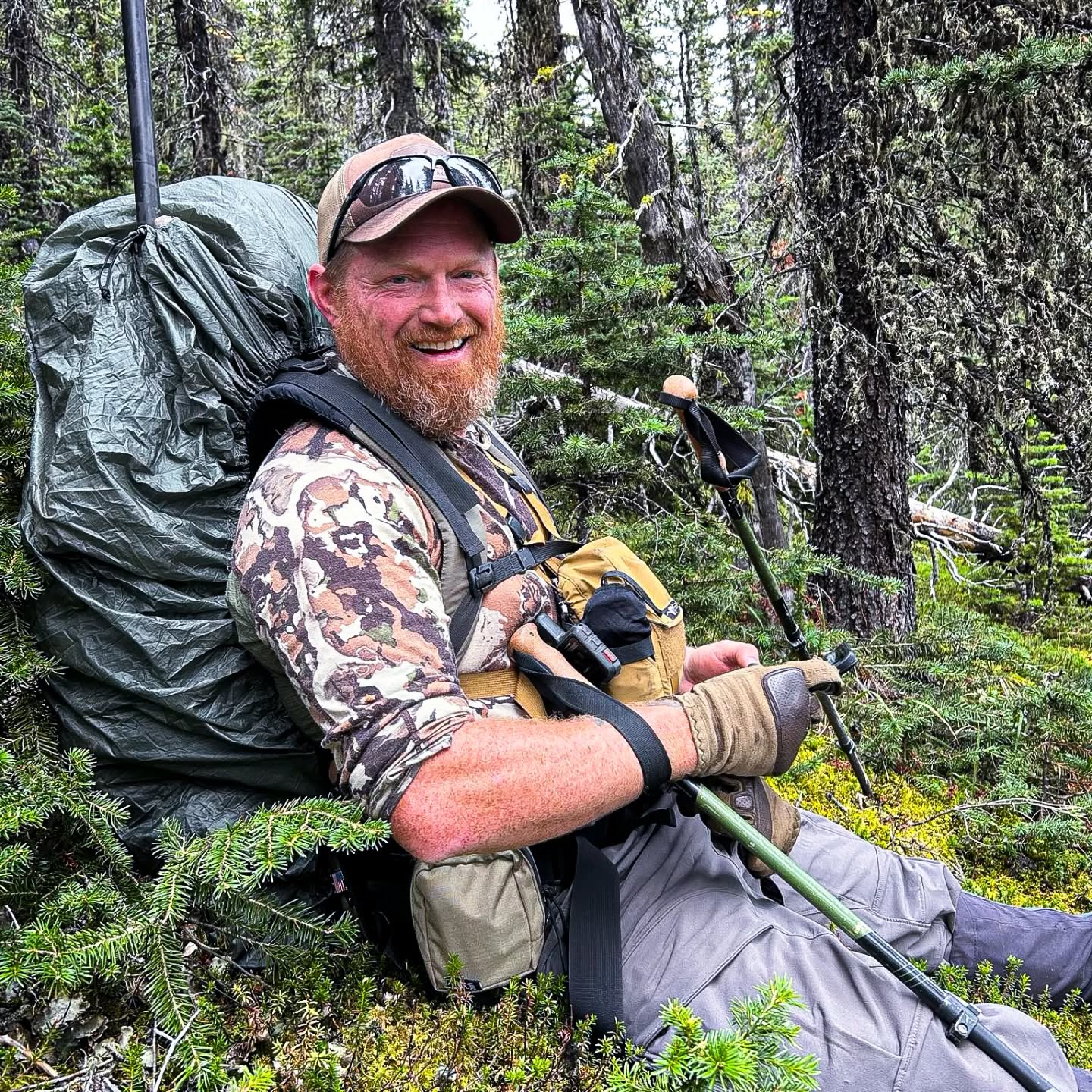
What To Wear Sheep Hunting: What I Wore on a Mountain Sheep Hunt (Layering System Breakdown)
Updated: Mar 14
Mountain weather doesn’t care about your plan.
On this sheep hunt we stepped off in +20°C, planned for frost, and watched the long-range forecast threaten snow.
September and October in the mountains can mean heat, sleet, hail, or -40°C wind chill — sometimes all in the same trip.
This post breaks down exactly what I wore, why I chose it, what worked, and what I’d tweak next time.
If you’re planning a mountain hunt and wondering how to layer properly without looking like the Stay Puff Marshmallow Man — this is for you.
The Conditions
+20°C to near freezing
Frost in the mornings
Moisture, wind, and unpredictable swings
High-output climbing
Extended glassing sessions
For reference: I’m 6’2”, 237 lbs. I run warm. I sweat easily. I build my system around heat dumping and moisture control.
Layering isn’t about stacking insulation. It’s about managing sweat.
Check out the YouTube video here:
Base Layers
Socks – Kuiu Calf Length
These are dialed.
Targeted fabric placement, breathable where needed, supportive where it matters. My feet sweat — these control it better than most. Minimal moisture retention = fewer blister issues.
Underwear – Stone Glacier Merino
I wear these daily.
Only complaint? The contour waistband can fold over. Minor annoyance — still a solid piece of kit.
Merino base layers remain king for odour control and temperature regulation on multi-day hunts.
Shirt – First Lite Aerowool (Long Sleeve with Hood)
This is a long-time go-to.
Thin
Breathable
Hood for ear protection
No need to carry extra toques
Still allows situational awareness
If it’s hot? Roll sleeves up. If it’s cool? Hood goes up.
Simple. Effective.
Pants – Stone Glacier De Havilland (Regular, Not Lite)
I’ve run these for about 4 years now.
Key feature: giant leg zips. If you heat up easily, these are critical.
I chose the regular version over the lite because I wanted versatility for colder temps. They balance durability, wind resistance, and heat management extremely well.
Insulation Layers
First Lite Kiln Hoody (Waffle Grid Fleece)
This has lived in my pack for 5 years.
When dry? Fantastic warmth. When soaked? Let it dry before relying on it.
Pro Tip: If damp, layer a shell over it near sunset to trap body heat and accelerate drying.
Stone Glacier Cirque Puffy (Synthetic)
Synthetic insulation for moisture tolerance.
Pros:
Better in wet conditions than untreated down
Massive pit zips
Built for movement, not static treestand hunting
You can glass, then open it up and move without fully stripping layers. For a high-output mountain hunt, that matters.
Outer Layer – Rain Gear
Stone Glacier M7 Insulated Rain System
This is not Canadian Tire camo rain gear. Check out my review here.
The M7 is designed for mountain hunters who move.
Key points:
Light insulation (not bulky)
Large pit zips
Full leg zips
Athletic cut
Built for heat dumping
It adds comfort without turning you into a sauna.
If you're curious about the full breakdown, I did a dedicated review on it as well.
Footwear
Crispi Briksdal Boots
Well broken in. Light. Effective.
Only mistake? I didn’t stop when I felt a hotspot. Ended up with a blister.
Lesson: If something feels off — stop and fix it. Your feet are your vehicle off the mountain.
Gloves
First Lite Shale Touch Gloves
Light leather hybrid.
I wear gloves almost all the time — even in heat.
Why?A buddy of mine once burned his hands pulling someone from a vehicle fire. Ever since hearing that story, gloves live in my pocket.
They won’t keep you warm in deep cold — but they protect your hands from rock, cuts, and unexpected situations.
Stone Glacier Insulated Gloves
Touchscreen compatible. Good first test. Performed well in frost mornings.
Gaiters (Underrated Gear)
I wear gaiters more than most guys.
Especially with the M7 system — since you need to remove boots to put those pants on — gaiters gave me:
Brush protection
Added water resistance
Lower leg coverage
Less soaked pant cuffs
Not waterproof in a downpour — but effective in scrub and light moisture.
Honorable Mentions (Didn’t Need — Glad I Had)
Stone Glacier Down Vest (~6 oz)
This thing weighs nothing.
Packs tiny.Adds serious core warmth.Brings your system together in extreme cold.
For 6 ounces? Why wouldn’t you pack it.
Kuiu Merino 200 Zip-Off Long Johns
Full side zips.
You know what that means?
No boot removal.
I hate retieing boots mid-hunt. If I can avoid it, I will.
These are my:
Cold ground glassing layer
Sleeping layer
Emergency insulation
Didn’t need them much with the M7 + De Havilland combo, but they earn their spot.
Layering Philosophy for Mountain Hunting
This hunt proved something:
Layering works.
At one point I had everything on — and I still didn’t look like a marshmallow. Modern mountain gear is designed to move.
Key Takeaways:
Build around sweat management
Prioritize ventilation
Choose synthetic when moisture is a factor
Always protect your feet
Pack lightweight insurance layers
Everyone runs different.
I’m a bigger guy. I run warm. So I pack lighter than some.
But this was the first hunt where I intentionally leaned warmer — because mountain weather doesn’t negotiate.
Final Thoughts
This system handled:
Heat
Frost
Moisture
Long climbs
Static glassing
If you’re planning a sheep hunt, backcountry mule deer trip, or any high-output mountain adventure — this layering breakdown should give you a realistic starting point.
Have questions about dialing your own system?
Drop them below.
And if you’re one of the 75% watching or YouTube videos but not subscribed — help a guy out.
More mountain content coming.
—The Baker Adventures
Frequently Asked Questions About Sheep Hunting Clothing
What should you wear sheep hunting in September?
Focus on breathable base layers, strong ventilation, and adaptable insulation. Mountain weather shifts fast.
Is down or synthetic better for sheep hunting?
Synthetic performs better in wet mountain conditions. Down offers better warmth-to-weight but struggles when soaked.
How many layers do you need for mountain hunting?
Minimum: base layer, insulation, rain shell. Add optional vest or zip-off long johns for flexibility.
Comments