
We Bought a Freeze Dryer for Backcountry Hunting (Setup & First Run)
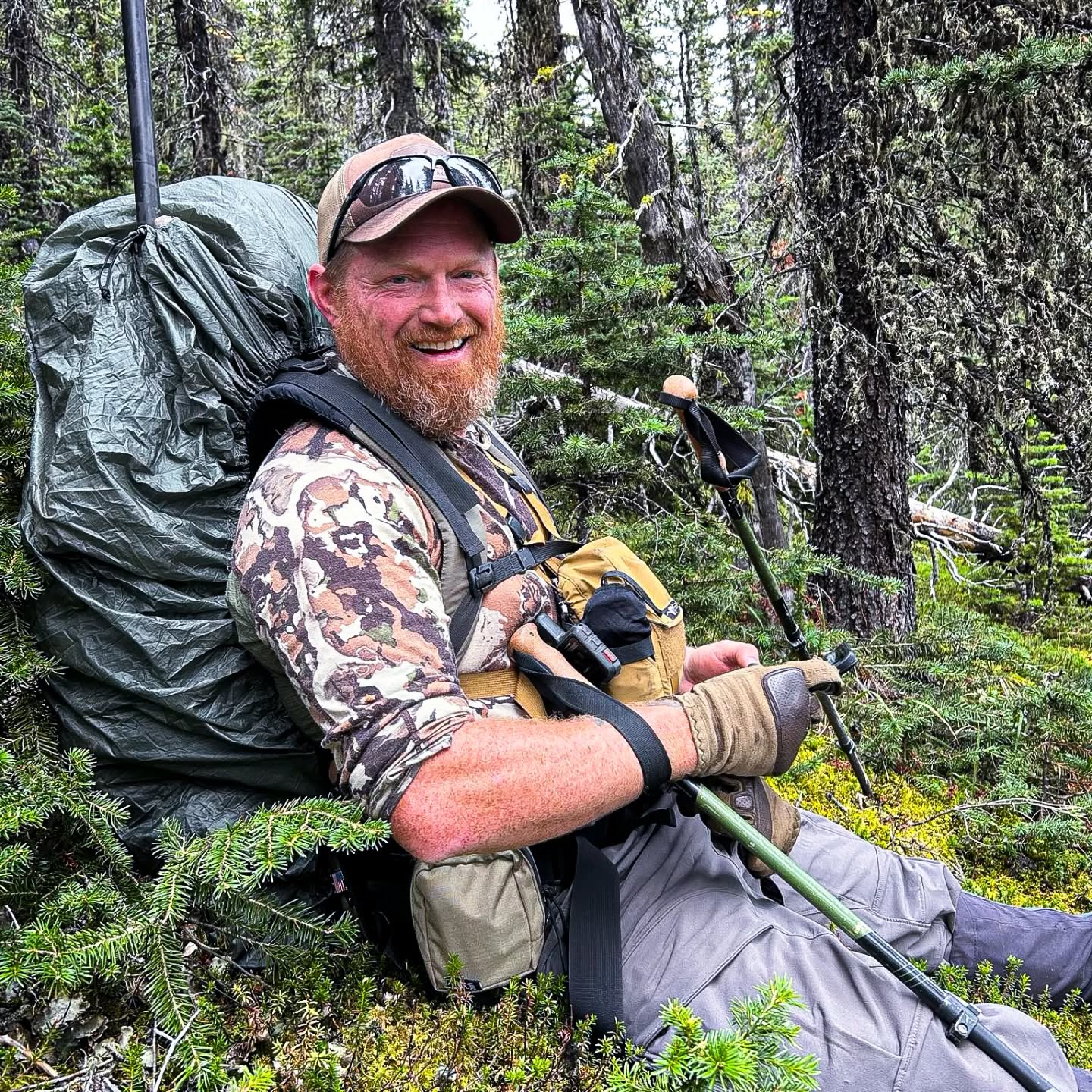
There’s always a moment where you realize something in your system isn’t working.
For me, that moment didn’t come in the garage. It didn’t come while packing gear.
It came halfway through a mountain hunt… staring at another meal I didn’t really want to eat.
This post is where that changes.
Because before we started testing meals, before we compared flavours and calories and weight…we made a decision that completely shifted how we approach food in the backcountry.
We bought a freeze dryer.
Watch the Full Video Here:
Where This Fits in Our System
If you’ve been following along, you know we don’t look at gear as individual pieces.
We build systems.
Camp setup
Sleep system
Clothing layers
Truck build
Food
This falls directly into our Backcountry Hunting Camp Setup , and more specifically:
The Food System
Because food isn’t just about eating. It’s about:
Weight carried over distance
Energy output vs intake
Recovery after long days
And honestly… morale
And until now, this was one of the weakest parts of my setup.
The Problem With Store-Bought Freeze-Dried Meals
On paper, they’re perfect.
Lightweight
Long shelf life (25+ years)
Easy to prepare
But when you actually start relying on them—especially on longer hunts—you start noticing things. Ingredients you don’t recognize.Meals that don’t sit right.And for me personally, a pretty limited menu.
With my diet being mostly carnivore-based, most commercial options just didn’t fit.
So what did I do on my last sheep hunt? I simplified.
Hard.
What Actually Worked (and What Didn’t)
On that 11-day solo sheep hunt, I leaned heavily on pemmican. And from a performance standpoint—it worked:
High calorie density
Lightweight
Stable
It cut my pack weight significantly compared to previous hunts. But there’s a trade-off.
Eat the same thing long enough, and it stops being fuel… and starts becoming a chore.
That’s where this whole idea started.
Why We Bought a Freeze Dryer
The goal wasn’t prepping.
It wasn’t long-term storage for the sake of it.
It was control, control over:
Ingredients
Nutrition
Portion sizes
Variety
And more importantly… The ability to take real food into the mountains.
Not just “mountain food.”
What We Bought
We went with a medium Harvest Right freeze dryer, purchased through a Canadian retailer.
No sponsorship. No discounts. Just something we decided to invest in.
Total cost landed just north of $4,300 CAD. It’s not a small purchase. But when you start looking at the numbers, it begins to make sense.
For a family like ours, we could easily spend $1,000–$1,200 per year on store-bought freeze-dried meals. And that adds up fast.
Oil Pump vs Oil-Free — Why I Went This Route
This is where a lot of people go straight to the oil-free option. Less maintenance. Less mess.
But I went the opposite direction.
I chose the premium oil pump.
Why?
Because I believe in maintenance. Same reason I’ve kept a 6.0L diesel alive to 450,000 km—you take care of your equipment, and it takes care of you.
The oil system:
Can be filtered and reused
Lasts 20–30 cycles depending on condition
Costs relatively little to maintain
To me, it was a simple trade. A bit more hands-on… for long-term reliability.
What Comes in the Kit
The setup we ordered was actually pretty turnkey.
Included:
Mylar bags
Oxygen absorbers
Impulse sealer
Upgraded trays
Oil filter system
So right out of the box, we’re ready to:
Freeze dry
Package
Store
No extra purchases needed just to get started.
Setup — Easier Than Expected
I’ll be honest—I expected this to be more complicated.
It wasn’t.
Plug it in
Fill the pump (bring a funnel…)
Run initial cycle
Load your food
Hit start
That’s it, the machine walks you through the rest.
One thing to note: It’s not quiet.
So where you put it matters. Basement works. Garage works.But don’t expect it to disappear into the background.
The First Run (And Why It Was Bread)
This part actually surprised me. The manual recommends running plain white bread as your first cycle. Not to eat. To clean the system. It removes that “new machine” smell before you start putting real food through it.
So no, we didn’t start with some perfect backcountry meal. We started with the cheapest bread we could find… and threw it out.
Simple, but smart.
What This Actually Unlocks
This is where things get interesting. Because now we’re not limited to what’s available in a pouch.
We can start freeze drying:
Ground meat + eggs
Venison meals
Full homemade dinners
Coffee (yes, that’s happening)
And the big one:
Leftovers
Instead of freezing meals and forgetting about them… We can turn them into backcountry-ready fuel. That venison chili from home? Now it comes back to the mountain where it started.
Real Backcountry Application
This ties directly into everything we’re building. Because food isn’t separate from the system.
It connects to:
Pack weight
Fuel planning
Camp setup
Hunt duration
And ultimately…How far you can go, and how long you can stay there This is what we’re working toward. A system where every piece supports the next.
What Comes Next
This post isn’t a review. It’s the starting point. Because buying it is one thing. Using it properly is another.
And that’s where this leads directly into our next step:
We didn’t just want to make food. We wanted to know:
Does it actually taste good?
Does it re-hydrate properly?
Is it worth replacing store-bought options?
That’s exactly what we did here:
Final Thoughts
This wasn’t an impulse buy. It was a decision to improve one of the most overlooked parts of backcountry hunting.
Food.
Not just calories. Not just weight. But something that actually works for how we hunt… and how we live.
We’ll keep documenting:
What works
What doesn’t
What’s worth your time (and money)
Because like everything else we build…
This is part of a system.
If you’re working through your own system, don’t stop at food.
Your camp system is what determines:
how comfortable you are
how efficient you move
and how long you can stay out
I break down my full system here: Backcountry Hunting Camp Setup Guide

https://tacobet.com.mx/pt-br/como-funcionam-os-cassinos-online/ lo abrí pensando “otro texto eterno”, pero la verdad se siente bastante ordenado y fácil de seguir. Me llamó la atención que arranque fuerte con el tema del licenciamiento en Brasil y mencione la Ley 14.790/2023 sin hacerlo sonar súper técnico, como para ubicarte rápido en el contexto. También está bueno que no se pierdan en vueltas: vas bajando y todo está separado en bloques con títulos grandes, así que no te da pereza leerlo. Y arriba queda bien a la vista ese “Comparativo actualizado en septiembre de 2026” junto con el “ver ranking completo”, como un guiño visual para orientarte desde el inicio.
https://x88.lol/ so với mấy trang mình từng dùng để giải trí online trước đây thì chỗ này nhìn gọn và “có trật tự” hơn, vừa mở ra là thấy các tiêu đề to tách bạch nên mình lướt một vòng đã định vị được chỗ cần vào, không phải đoán mò hay kéo tới kéo lui mãi. Cuộn xuống cũng đều tay. Các khối nội dung xếp theo kiểu từng mảng nên mắt đỡ phải nhảy liên tục. Mình thử qua điện thoại cho chắc thì giao diện vẫn giữ form, bấm chạm ổn, không bị lệch hay phải zoom. Phần họ nhấn về bảo mật và hỗ trợ cũng đặt ở khu dễ thấy nên đọc nhanh được. Nói…
https://uu88sh.com/ có đáng mất vài phút nghía thử không? Mình tự trả lời là cũng được, ít nhất là không làm mình muốn tắt tab ngay. Mình vào vì thấy mọi người nhắc, nên chỉ xem kiểu họ bày trang thế nào thôi, không có đào sâu gì cả. Menu để khá rõ ràng, bấm qua lại các mục thấy hợp lý, không phải đoán xem nó nằm ở đâu. Mấy phần nội dung cũng được chia thành khối riêng, nhìn lướt là biết đang ở đoạn nào, đỡ phải căng mắt tìm. Có vài bảng thông tin trình bày theo cột nhìn gọn, chữ vừa phải nên đọc nhanh vẫn theo kịp. Kéo xuống một đoạn mà bố cục…