
Why I Overpack My Day Hunt Gear List (Packing the What Ifs)
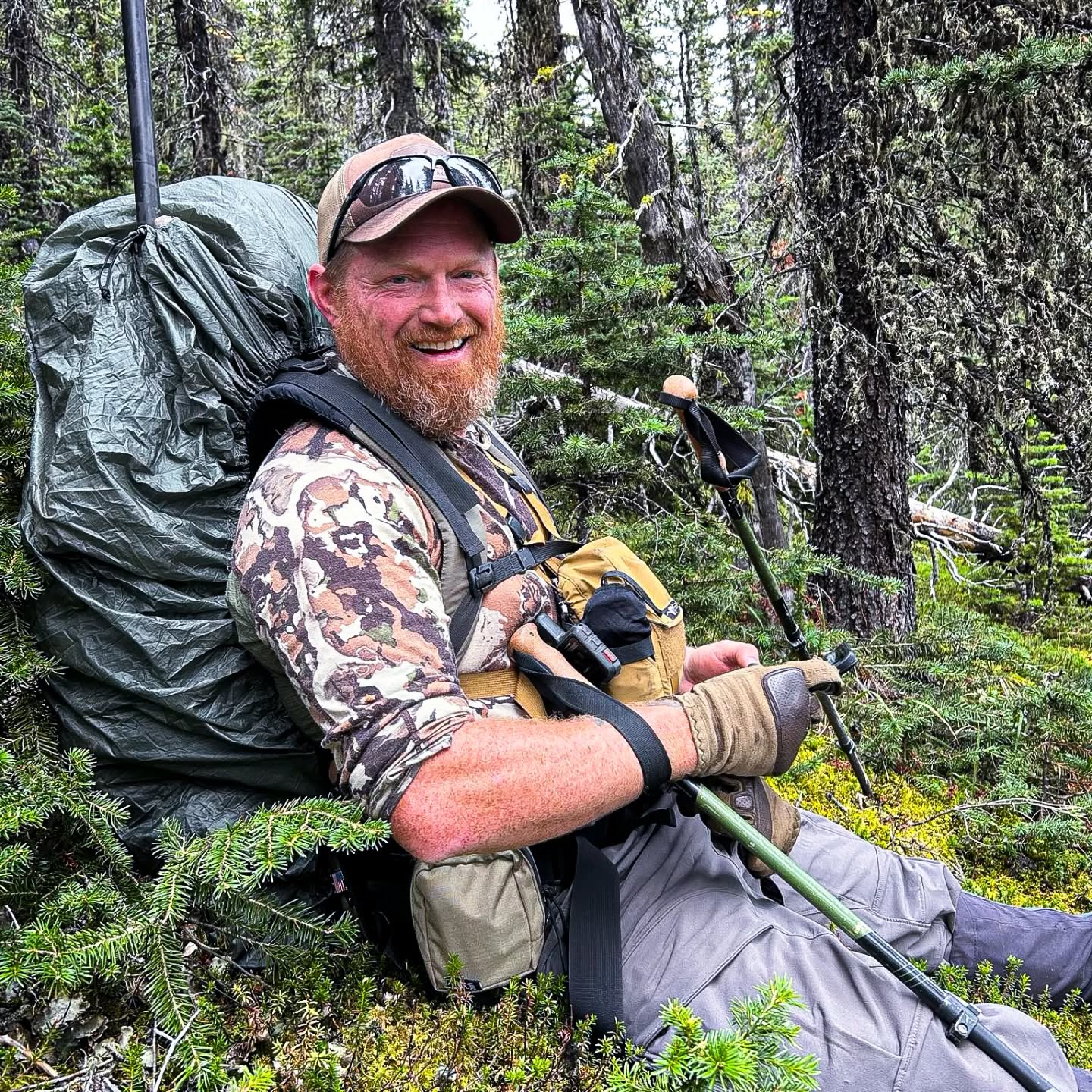
This is something I’ve gone back and forth on a lot over the years, and I still catch a bit of heat for it every now and then—but I overpack for day hunts. Not by accident either. It’s very intentional at this point.
If you’ve ever stood at the back of your truck looking at your pack thinking, “there’s no way I need all this for a day,” I’ve been there too. I still have that moment sometimes. But every time I try to cut things down or “optimize,” I end up coming back to the same setup.
Because the reality is, I don’t pack for the day I planned. I pack for what that day can turn into.
Over time, that’s turned into a bit of a mindset for me "packing the what ifs" and it’s shaped everything about how I build out my day hunt gear list.
Day Hunt Gear List Video Breakdown
Here’s the full gear dump and walkthrough from this hunt:
Hunting Reality in Alberta
Most of my hunting is in central Alberta, and November out here doesn’t mess around. You can leave the truck in what feels like decent weather, maybe hovering around zero or just below, and a few hours later you’re sitting in -20 with wind cutting through you. And when it really drops, it drops hard. Minus 30, minus 40… at that point it doesn’t matter what scale you’re using, it’s just cold.
That’s really where this whole mindset started for me. Not from wanting to carry more gear, but from not wanting to get caught short when things shift. Because out here, they always do.
That reality is what built my day hunt gear list: not ideal conditions, but worst-case ones.
When a Day Hunt Stops Being a Day Hunt
A “day hunt” sounds simple when you say it out loud, but it rarely stays that way. You push one ridge further than planned, you spot something just a little deeper, or you end up taking longer on a recovery than expected. Sometimes the weather rolls in and heading back becomes the hardest part of the day.
That’s why my setup doesn’t really change much between a day hunt and a multi-day hunt.
If you’ve read through my Sheep Hunting Gear List, you’ll notice a lot of the same gear shows up here—and there’s a reason for that.
The core stays the same. I’m not rebuilding my system every time, I’m just adjusting around it.
A System I Don’t Have to Think About
I run a Stone Glacier 3300 on a Krux frame for most of this, and it’s become more than just a hunting pack. It goes to work with me, it carries everyday gear, and it gets used constantly.
Part of that is getting value out of it, but a bigger part is familiarity. I know exactly where everything is. My first aid kit lives in the same spot. My kill kit is always in the same pouch. My layers are always packed the same way.
That consistency is what makes a day hunt gear list actually work in the real world, you don’t forget things when the system doesn’t change.
Layering for Control, Not Comfort
I’ve never been a fan of relying on one heavy layer to do everything. I am a big dude and a sweat so I’d rather build a system that lets me adjust as I go. I’ll start with a light merino base from First Lite, then build up depending on conditions.
For outer layers, I’ve spent a lot of time in the Kuiu Yukon Jacket. It’s taken a beating over the years and just keeps working—blocking wind, shedding snow, and holding up to brush and abuse. However I’ve been testing the Stone Glacier M7 Jacket, mostly to simplify layering with that fleece backing built in. I’ll break that down more in my full review here, but early impressions are promising—especially for late-season setups like this.
The Gear That Always Comes With Me
There’s a core group of gear that never leaves my pack, no matter what. Gloves are a big one. I’ll always have a durable leather pair for handling rough terrain, plus a lighter merino set for layering.
But the piece that gets talked about the most is my mitt system. I run the HEAT 3 Smart Gloves, and these have earned their place over time. Being able to flip them open, keep dexterity, and still maintain warmth is huge, especially when you’re dealing with cold metal, wind, and long glassing sessions.
Navigation and communication-wise, I rely heavily on my Garmin inReach Mini, but I still carry a compass. It’s not about what you use most, it’s about what you have when things stop working.
And first aid doesn’t change. Same kit whether it’s a day hunt or eleven days deep. You are hunting, injuries are all the same.
Redundancy Isn’t an Accident
This is where people usually start questioning things. Carrying two stoves, extra ammo, or backup systems can seem excessive on a day hunt.
Right now I’ll often run both a Jetboil Flash and an MSR Pocket Rocket II. Each solves a different problem, and I’ve had enough situations where gear didn’t perform the way I expected that I’m comfortable carrying that overlap. I know I will ditch one of these eventually, but for now, two.
Same with ammo. I’ll carry rounds for both my rifles: a 6.5 PRC and a .308, because grabbing the wrong setup shouldn’t be what ends a hunt before it starts. Ask me how I know.
It all comes back to the same idea, packing the what ifs. Not because everything will go wrong, but because eventually something will.
Why I Carry Shelter on a Day Hunt
This is the one that usually gets the most pushback.
Yes—I carry a shelter.
Something like the Seek Outside 1P with a groundsheet doesn’t weigh much, but it adds a layer of security that’s hard to ignore. I’ve used it to get out of the wind, to glass in poor weather, and just to reset when conditions start to stack against you.
It’s not about planning to stay overnight, it’s about being ready if I have to.
The Weight Trade-Off
All of this adds up. My day pack usually sits around 30 pounds, and once you add a rifle, you’re pushing closer to 40.
You feel that weight. There’s no getting around it.
But I’ve stopped looking at it as a downside. That weight represents capability. It’s what lets me stay out longer, adapt when conditions change, and handle situations that weren’t part of the plan, plus gives me training value for the next Sheep Season.
Where This Day Hunt Gear List Fits
If you’ve made it this far, you’ll probably notice this day hunt gear list isn’t all that different from what I run on longer trips.
That’s intentional.
Most of what you see here ties directly into my full Sheep Hunting Gear List, where I break down my complete backcountry system and how everything works together when I’m planning for multiple days instead of just one.
If you’re looking to go deeper into specific pieces of gear, I’ve also started breaking those out inside my Outdoor Gear Reviews, including a closer look at pieces like the Stone Glacier M7 Jacket that I’ve been working into this setup.
And there’s more coming.
I’ll be diving deeper into:
stove systems and what I actually stick with
pack setups and how I organize them
and what I’d cut (or keep) if I had to rebuild this from scratch
Because this isn’t just a one-off post—it’s part of a bigger system.
Why I’m Not Changing My Day Hunt Gear List
Could I cut weight? Absolutely. And I probably will here and there as I refine things.
But I’m not chasing the lightest pack anymore when it comes to day hunts. I’m building a system that keeps me in the field.
Because the one thing I’ve learned is that hunts rarely go exactly how you planned them. Weather shifts, animals move, timelines stretch, and things break.
And when that happens, the gear you almost left behind is usually the gear you end up relying on.
Final Thoughts
Everyone’s system will look a little different depending on where they hunt and how they approach it.
But for me, it comes down to this:
I don’t pack for the hunt I expect. I pack for the one that might happen.
I pack the what ifs.

Comments